




What happened
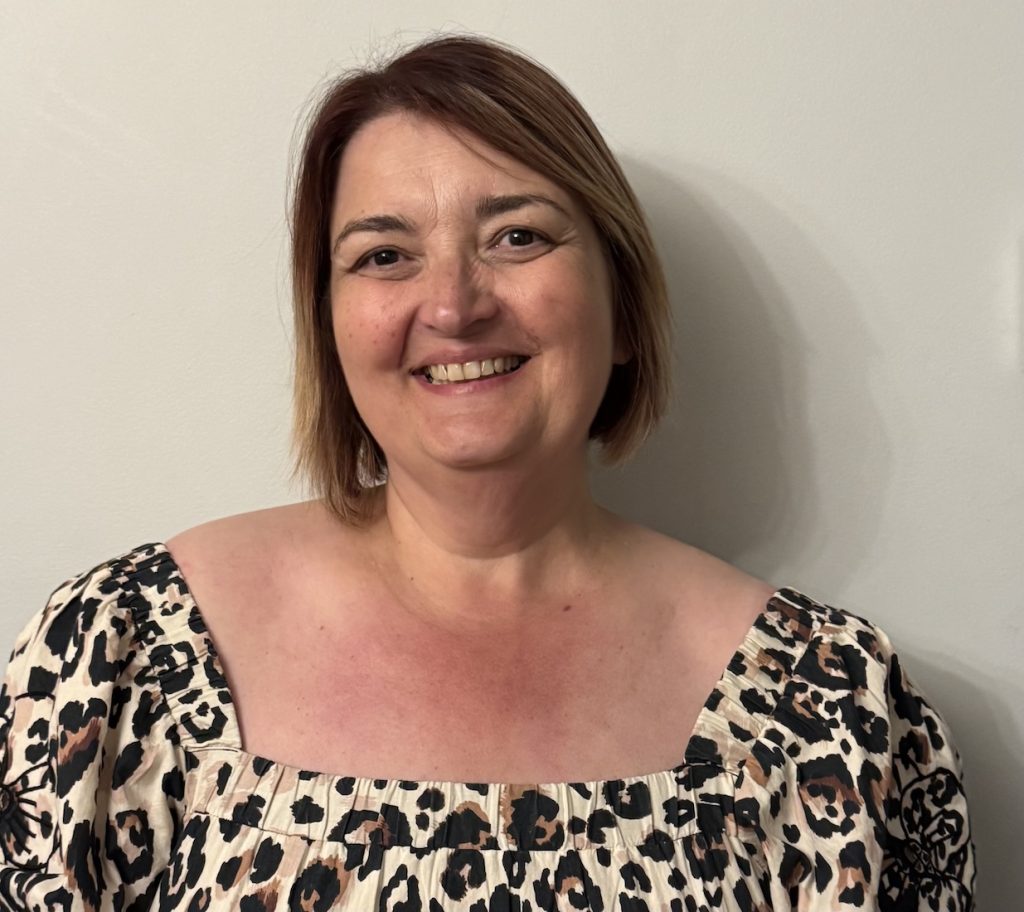
Woodland Academy Trust is a multi-academy trust of five schools, supported centrally by Julie Carson. Before Intelligent Evidence, heads wrote a two-page SEF up to three times a year and kept their supporting evidence in files at school level, which made oversight from the centre hard work.
Then two of the trust’s schools were inspected under the new framework within a fortnight of each other, and each HMI took a different approach. The first wanted to discuss judgements on the phone before visiting. The second wanted them summarised on the call, then to see the live system once on site. Both times, Julie could see exactly what each school could evidence and react in real time.
“The head would say what the judgments were, but I had the evidence up in front of me and could justify exactly why we thought those judgments were correct. Having five schools, I don’t keep all of that in my head in that fine amount of detail. So having that there was great.”
Julie Carson
Director of Education & Deputy CEO, Woodland Academy Trust
“Just being able to open up the platform and then have a look before my meetings – it’s a half-hour job rather than maybe a day’s job. I’d say it probably saves me about four days’ work per term just to get up to speed with the evidence and then think about my questions.”
Julie Carson
Director of Education & Deputy CEO, Woodland Academy Trust
“Have a go first of all. Once you’ve had a go and you’ve seen it, then you’re not going to look back at all because of the amount of information that it can provide you with, the amount of confidence, and the amount of time-saving. I think Intelligent Evidence is incredible value for money.”
Julie Carson
Director of Education & Deputy CEO, Woodland Academy Trust
“It’s much more useful than having a paper SEF where it is literally done once a term and then put away on the shelf and no one looks at it again. It’s not about that cycle, it’s about what we know and how we are going to improve on that.”
Julie Carson
Director of Education & Deputy CEO, Woodland Academy Trust
“It means I can have important development conversations with the heads when I go in, and then I can share that with trustees really easily, and it’s factual. There isn’t any kind of subjectiveness in it. Previously with a SEF it’s subjective, whereas this is very much, ‘Yes, you’ve got evidence for that, tick.'”
Julie Carson
Director of Education & Deputy CEO, Woodland Academy Trust
“I can really look at those gaps, but I can also look at the strengths. So actually, where are our schools may be self-evaluating as strong, and I’ve got another school that isn’t, then I can start doing some matching and get the heads to work together.”
Julie Carson
Director of Education & Deputy CEO, Woodland Academy Trust
“By just having a quick look at my dashboard I could actually see which heads needed more input. So then when I’m doing my visits to schools, I could spend some time with that head and support them.”
Julie Carson
Director of Education & Deputy CEO, Woodland Academy Trust
“Sometimes the senior leaders can not always be aware of what their particular gaps are, depending on where they are in their own leadership journey. If I’m relying on other people and then trying to cross-reference what they’re saying with the evidence I’m seeing, that can be quite tricky at times.”
Julie Carson
Director of Education & Deputy CEO, Woodland Academy Trust
Evidence that worked live, in the inspection call itself
In both inspections, the HMI spoke to the school’s head and Julie by phone about the school’s judgements. When the head gave the judgements, Julie had the school’s evidence open in front of her and could explain why the trust believed they were right. With five schools, she doesn’t keep that level of detail in her head, so having it there mattered.
From a day per school to half an hour
Julie’s termly school-improvement meetings used to mean roughly a day of preparation per school. With a live evidence base to open ahead of each visit, that dropped to about half an hour. She estimates it saves her around four days a term, and the visit itself can now be spent on the conversation, not the paperwork.
Strengths across the trust
With the trust-wide overview, oversight stopped being about deficits alone. Julie could see where one school was self-evaluating strong in an area another was struggling with, and start matching leaders up to learn from each other. That has been especially valuable for newly-appointed heads.
This shared clarity has reduced pressure across the team and increased confidence.
Read the full case study
The full case study goes deeper: how the trust rolled Intelligent Evidence out across all five schools at once, how Julie uses it to give trustees a factual picture rather than a subjective SEF, and what she would say to another trust considering it.