



FREE · NO SIGN-UP · 10–15 MINUTES
Ofsted readiness checklist
A practical self-check for headteachers, written by Steve Kirkpatrick, former headteacher and lead inspector. Work through it on this page, or download the PDF to share with your SLT.
What the checklist covers:
- What inspectors notice first
- Where schools often get caught out
- What confident, well-prepared leadership looks like in practice


You've got 24 hours' notice. Would you feel ready?
Having worked as both a headteacher and lead inspector, I know inspection pressure rarely comes from a lack of effort.
Most schools are already doing the work. The challenge is being able to show it clearly, confidently, and quickly when inspection comes.
The schools that feel most prepared usually aren’t the schools doing the most. They’re the schools who understand their story, know where their evidence sits, and have thought carefully about what inspectors are likely to see and ask.
You never feel completely ready for inspection. The goal is knowing you’ve controlled what you can.
How to use this checklist: work through each section and mark each point as Confident, Not sure or Needs attention. Don’t overthink it – your first reaction is usually the right one.
First impressions & culture
Inspectors begin forming a view within minutes. Culture shows up quickly and it’s very difficult to fake.
“Inspectors can tell pretty quickly whether a school is genuinely ready. It’s often the little things – how people greet visitors, whether pupils hold doors open and whether the environment feels calm and cared for.”
- Would an inspector experience a clear, calm, and organised arrival process (sign-in, safeguarding, direction)?
- Do staff confidently acknowledge visitors and know how to respond, rather than hesitating?
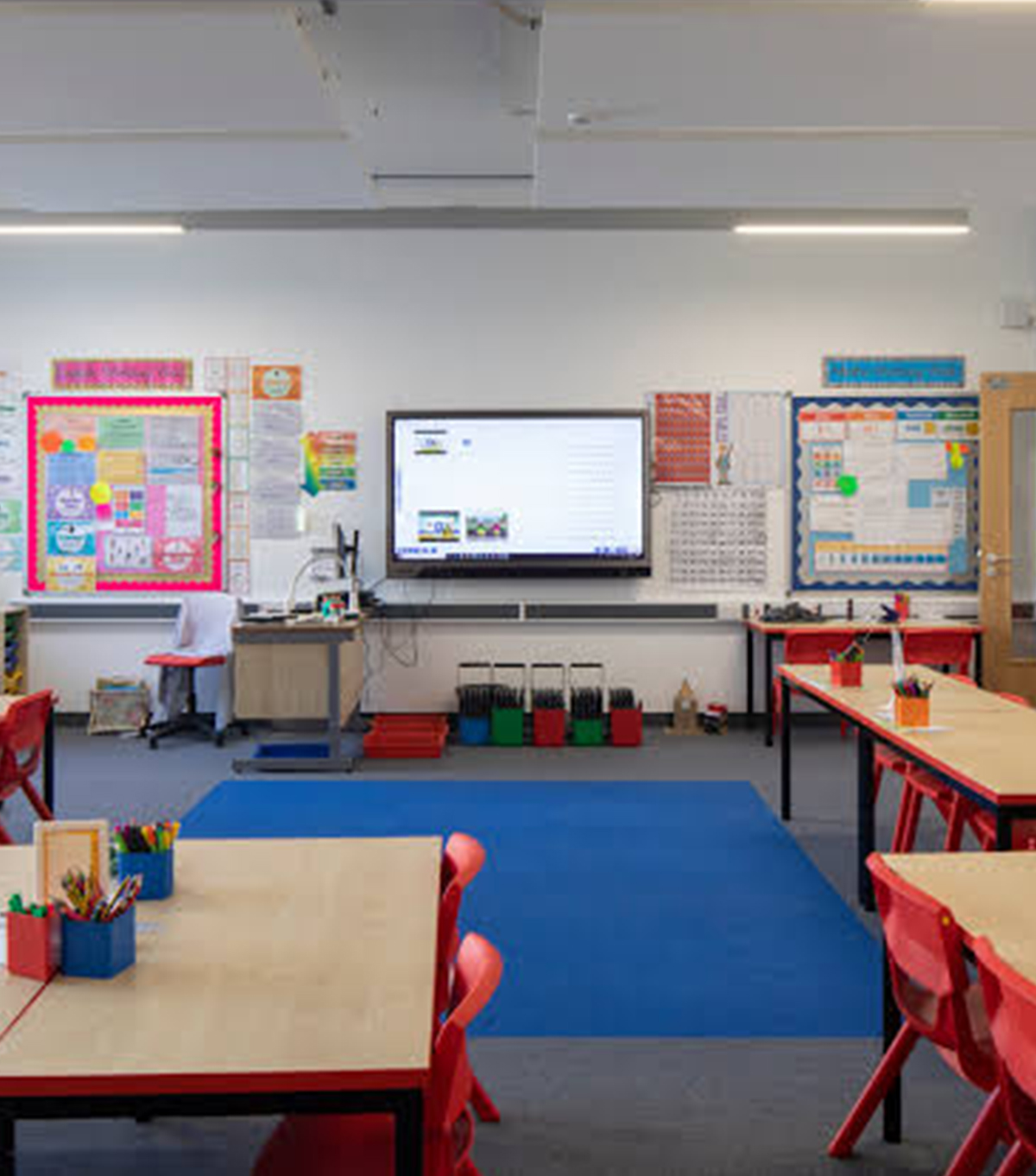
- Does your environment consistently reflect high expectations? (Clean, tidy spaces, up-to-date displays, no neglected or cluttered areas)
- Would pupils appear confident, respectful, and comfortable speaking to adults?
- Do shared spaces feel purposeful and well cared for (not last-minute or overlooked)?
- Have you thought about what inspectors will see first – and what that says about your school?
Culture is hard to evidence on paper. Intelligent Evidence picks up the learning walks, pupil voice and visit notes you already write, so what inspectors feel on arrival is backed by your evidence. See how in 30 minutes →
Leadership clarity & school narrative
Strong schools are clear on what matters and everyone can explain it.
- Can you clearly articulate your school’s key priorities in a few simple statements?
- Would staff, governors, and leaders describe those priorities consistently?
- Can leaders explain how their work links directly to those priorities?
- If challenged on your data, could you confidently explain the story behind it?
- Are your priorities visible in your evidence, not just written in plans?
- Can you talk about your school with specific examples, not generic language?
If your priorities aren’t visible in your evidence, they’re just words in a plan. Intelligent Evidence shows you, priority by priority, where your evidence is strong and where it’s thin. See your evidence mapped →
Knowing your external story
Inspectors arrive with a picture already forming. Your job is to shape it – no one understands your school’s context better than you do.
- Do you have a clear understanding of what your IDSR, performance data, and attendance figures suggest?
- Have you reviewed your website and statutory compliance recently?
- Are you aware of what Parent View or local feedback might say about your school?
- Have you considered how your school might appear from the outside looking in?
- Can you clearly explain context or anomalies in your data?
- Do you have case studies or examples ready to bring your context to life?
Inspectors arrive with a view already forming. Go in knowing exactly which parts of your story your evidence supports. Book a call →
Evidence & inspection readiness
It’s not just about having evidence – it’s about how easily you can use it. Don’t assume inspectors will connect the dots for you.
- Could you locate and share your most important evidence within minutes?
- Is your evidence organised in a way that reflects your priorities?
- Have you ensured that critical evidence is uploaded and accessible, rather than relying on verbal explanation?
- Are you confident your evidence tells the story of your school clearly?
- Have you avoided relying on inspectors to “find” or “remember” key information?
- If asked, could you immediately support your self-evaluation with evidence?
“Don’t leave your story to chance. If something matters, make sure inspectors can clearly see it in your evidence, not just hear it in conversation.”
“Could you locate and share your most important evidence within minutes?” This is the question Intelligent Evidence was built to answer. Upload what you already produce and it’s mapped to every part of the framework. See it working on real examples →
Case sampling & inclusion
Inspectors will look closely at individual pupils. You need to be ready to show the detail.
- Do you have clear, well-understood case studies for key pupils (e.g. SEND, PPG, LAC)?
- Can you explain how you identify and remove barriers for those pupils?
- Are you able to demonstrate the impact of your actions over time?
- Do your case studies reflect what is typical in your school, not just best examples?
- Would staff involved be able to talk confidently about these pupils and their journeys?
- Are your inclusion practices visible in both your evidence and your day-to-day practice?
Case studies are scattered across SENCo notes, plans and meeting records. Intelligent Evidence brings them together against the inclusion descriptors, so you can show the detail quickly. See how in 30 minutes →
Inspection practicalities (the 24 hour window)
What happens immediately after the call matters more than most leaders expect.
- Do you have a clear plan for what happens after the inspection call (who does what, how staff are informed)?
- Are key documents and data ready, accurate, and easy to access (numbers, timetables, lists)?
- Have you considered how to present your timetable and shape what inspectors will see?
- Are roles during inspection clearly understood across your team?
- Do you have the capacity in your timetable (e.g. SLT, SENDCo) to support inspection activity?
- Have you thought about the practical setup of the planning call (space, screens, access to documents)?
When the call comes, your evidence is already organised and in one place. No folders, no late night. Book a call →
Leadership under pressure
Inspectors notice how you lead just as much as what you present.
“The best leaders during inspection are calm, focused, and open to challenge. It’s not about having all the answers instantly – it’s about showing clarity, confidence, and control under pressure.”
- Would you describe your approach as calm, focused, and organised under pressure?
- Are you able to engage professionally with challenge, without becoming defensive?
- Would your team say they feel clear, supported, and involved, rather than uncertain?
- Are you confident in pushing back when needed – with evidence?
- Do you approach inspection as something to work with, not against?
- Are you able to maintain a sense of control and clarity throughout the process?
Pushing back with evidence is much easier when you know exactly where it is. See your evidence mapped →
Reflection: where are your pressure points?
The areas that create the most hesitation are often the areas creating the most pressure.
- Where did you hesitate?
- What would take the longest to pull together today?
- What are you currently hoping won’t come up in inspection?
Most schools don’t lack evidence. They lack:
- Clarity on where it sits
- Confidence in how it connects
- Time to bring it together under pressure
If this checklist has highlighted a few gaps, you’re not alone. Many leaders are doing the right work – they just need a clearer way to organise and present it.
Most schools don't lack evidence. They lack the time to pull it together.
Intelligent Evidence maps the documents your school already produces to the framework, so you can see where your evidence is strong and where the gaps are, at any point in the year.
- Upload what you already produce
- We map it to your framework
- You review and confirm what’s relevant
In 30 minutes we’ll show you how it would work for your school, using real examples. No obligation.
“I knew in my heart of hearts that this was a strong school and I had the evidence to prove it.”
Mark Thornley, Headteacher, Heathfield Primary, Bolton